Probate
Probate is the legal process for distributing a person's property (i.e., the things they owned) and paying their debts after they have died. The person who died is the "decedent," and their property is called their "estate." The beneficiaries of the estate will be named in the decedent's Will and/or found in the probate statutes in RCW Title 11. A probate case can be filed if the person had a Will or didn't have a Will.
If a bank or financial institution tells you that you need "Letters of Administration" or "Letters Testamentary” to gain access to the decedent’s funds, you must use the probate process to obtain those forms.
- Is a Probate Necessary? from Washington (State) Probate
- Is Probate Necessary? Circumstances When Probate is Not Required from Beresford Booth PLLC
- What Is Probate? Do You Need One? webinar from Beresford Booth PLLC
- Washington Probate: An Overview from Nolo
- How does probate work? Your guide to the probate process from Freewill.com
- Basics of probate from Navigate Law Group
- Probate: What you need to know about administering an estate from the Washington State Bar Association
- Information about probate, alternatives to probate, instructions, and forms from Washington (State) Probate. There is some information specific to King County, but most of it is general information about forms and procedures that would apply anywhere in Washington. The form templates can be customized for other counties.
- Information about probate, alternatives to probate, instructions, and forms from King County Probates. This site was created by an attorney in King County. While there is some information specific to that county, most of it is general information about forms and procedures that would apply anywhere in Washington.
Self-help kits from the law library
The law library sells two self-help kits to assist with probate:
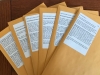
Open and Close Probate With a Will (Testate), in which the person who died had a Will;
Open and Close Probate Without a Will (Intestate), in which the person who died did not have a Will.
Both kits have forms and instructions to open and close a simple probate. They do not cover administration of the estate. Kits can be purchased at the library or online and mailed out.
Small estates
A Small Estate Affidavit is an alternative to probate and might apply to your situation. The affidavit procedure allows people who are entitled to a dead person's (also called a decedent) personal property to get that property without going through probate. If you qualify, this process is cheaper and easier than the probate process. More information about small estates, including eligibility, can be found in RCW Chapter 11.62.
Eligibility and general information about using this process:
- Using a small estate affidavit to avoid probate from Talis Law PLLC
- Can you skip probate to claim your inherited property? infographic from King County Law Library
Information, instructions, and Small Estate Affidavit forms are available at:
Note: The two probate websites linked above have some information specific to King County, but most of it is general information about forms and procedures that would apply anywhere in Washington. The form templates can be customized for other counties.
Self-help kit from the law library
The law library sells a Small Estate Affidavit self-help kit that includes forms, detailed instructions, and flowcharts to help with procedures and decision-making. Kits can be purchased at the library or online and mailed out.